How to Choose the Right Dune Buggy in Dubai for Your Desert Trip
Know What You Want From the Ride
Picking a dune buggy in Dubai comes down to matching the machine to the kind of desert experience you are after. Some people want a fast, open-air thrill across steep dunes. Others prefer a more controlled ride that lets them take in the scenery. Before you look at any buggy, decide how much adrenaline you are looking for and how comfortable you need to feel. That choice will guide every other decision, from the buggy frame to the tour duration.
Check the Buggy Frame and Seating
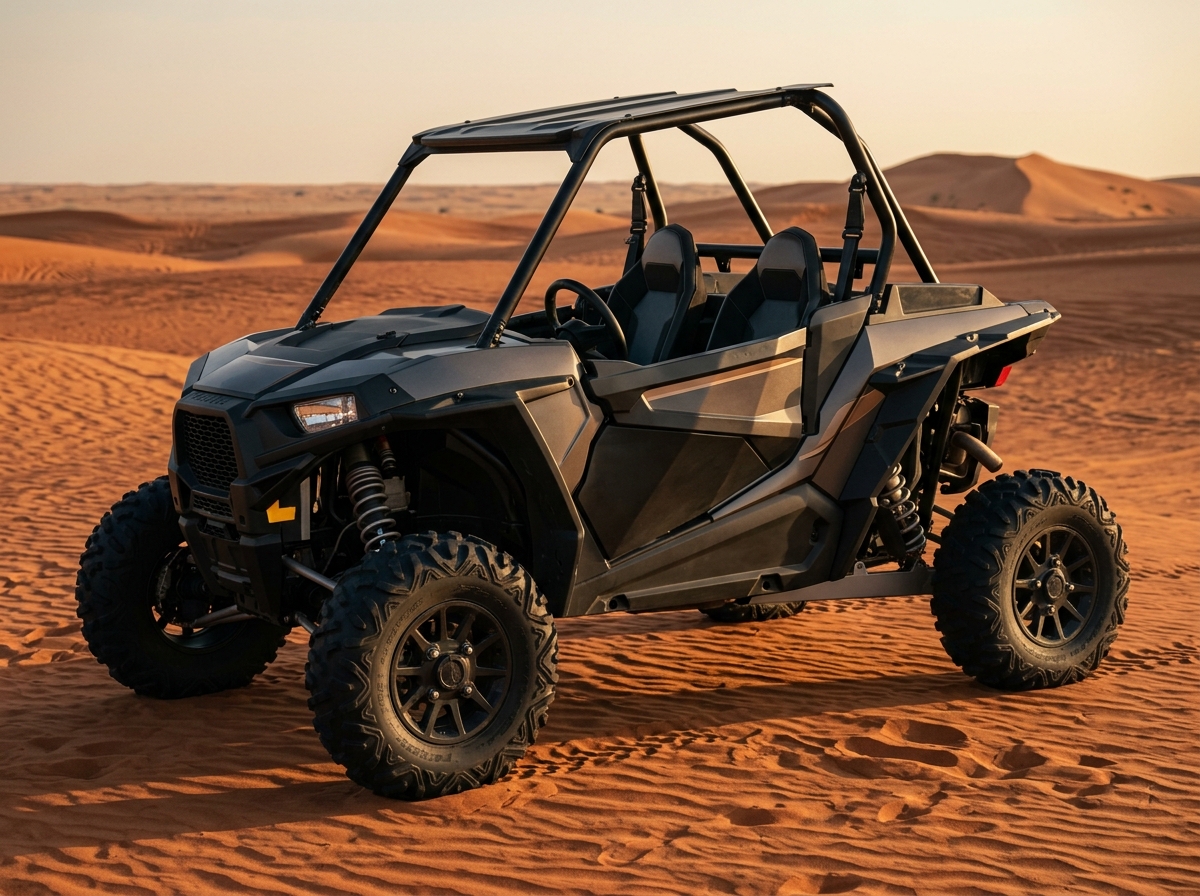
The buggy frame is the skeleton of the vehicle. Most dune buggies use a tubular steel or aluminium frame. Steel frames are heavier and can feel more solid, but they add weight that can affect how the buggy handles on soft sand. Aluminium frames are lighter, which helps with speed and manoeuvrability, but they may not feel as robust on rough terrain. Sit in the buggy and see how the frame positions your body. A well-designed frame keeps your centre of gravity low and your weight balanced between the wheels. If the seat is too high or too far back, the buggy can feel tippy on side slopes.
Seating matters as much as the frame. Single-seat buggies give you full control and a more intense driving feel. Two-seaters let you share the experience with a passenger, but the extra weight changes how the buggy climbs dunes and corners. Check that the seat belt or harness is a four-point or five-point type, not just a lap belt. In a buggy that rolls or pitches forward, a proper harness keeps you in place and prevents injury.
Understand the Power System
Dune buggies in Dubai usually run on petrol engines, though some electric models are appearing. Petrol buggies give you the torque and acceleration needed to power up loose dune slopes. They also produce the familiar engine noise that many riders enjoy. Electric buggies are quieter and produce no fumes, which can be pleasant on longer trips, but they may lack the instant punch needed for steep climbs. Battery range is another factor: electric buggies need charging between uses, and a full day in the desert may require a spare battery or a mid-tour stop.
Engine size is usually measured in cubic centimetres (cc). A 200cc to 400cc engine is common for recreational riding. Smaller engines are easier to handle for beginners and lighter riders. Larger engines, 500cc and above, provide more power for steep dunes and faster runs, but they demand more skill to control, especially when the sand shifts under the wheels. If you are new to dune buggies, a mid-range engine gives you enough power to enjoy the dunes without feeling overwhelmed.

Look at the Wheel and Tyre Setup
Dune buggies need wide, low-pressure tyres to float on sand rather than dig into it. Narrow tyres or those with deep treads meant for mud or rock will sink and get stuck. The tyres should be at least 25 inches tall and 8 to 10 inches wide. Some buggies use paddle tyres, which have raised bars across the tread to grip soft sand. Paddle tyres are excellent for climbing steep dunes, but they can feel bouncy on hard-packed sand or gravel patches.
Four-wheel drive is worth considering if you plan to ride in areas with very soft sand or if you want to explore beyond the main tracks. Two-wheel drive buggies are lighter and more responsive on hard sand, but they can struggle when the sand gets deep. With four-wheel drive, you gain traction and stability, but you also add weight and mechanical complexity. For most recreational rides on maintained desert tracks, two-wheel drive is enough. For remote areas or very loose dunes, four-wheel drive gives you more confidence.
Check Tour Duration and Route
Tour duration is not just about how long you sit in the buggy. It affects how tired you get, how much sand you eat, and how much of the desert you see. Short tours, around one hour, are good for a quick thrill. They usually stick to a small area of dunes and let you get a feel for the controls. Longer tours, two hours or more, take you deeper into the desert and include varied terrain: flat sabkha, rolling dunes, and steep bowls. On a longer tour, comfort becomes more important. A buggy with a cramped seat or stiff suspension will wear you out before the tour ends.
Ask about the route before you book. Some operators drive on well-used tracks where the sand is packed and predictable. Others take you through untouched dunes where the surface changes constantly. If you want a challenge, choose a route that includes steep dune slopes and sharp turns. If you prefer a scenic ride, pick a route that crosses open areas and stops at viewpoints. Also check whether the tour includes a guide who leads the group or whether you follow a marked trail. A guide is helpful if you are unfamiliar with desert navigation, but it also means you must match the group pace.
Age and Weight Limits
Every buggy hire operator sets an age limit for drivers and passengers. Most require drivers to be at least 16 or 18 years old, and some require a valid driving licence. Weight capacity is usually listed as a maximum per seat, often around 120 to 150 kilograms per person. Exceeding the weight limit can overload the suspension and make the buggy unstable on slopes. It also reduces the margin for error when the buggy hits a dip or a bump. If you are close to the limit, ask the operator whether the buggy can handle your weight safely. Do not guess or rely on assumptions.
Children are sometimes allowed as passengers if they meet a minimum height or weight requirement and if the buggy has a proper seat and harness for them. Never carry a child on your lap or in an unsecured seat. The desert is unpredictable, and a sudden jolt can throw a small person out of the buggy. Confirm the policy with the operator before you arrive.
Inspect the Safety Gear
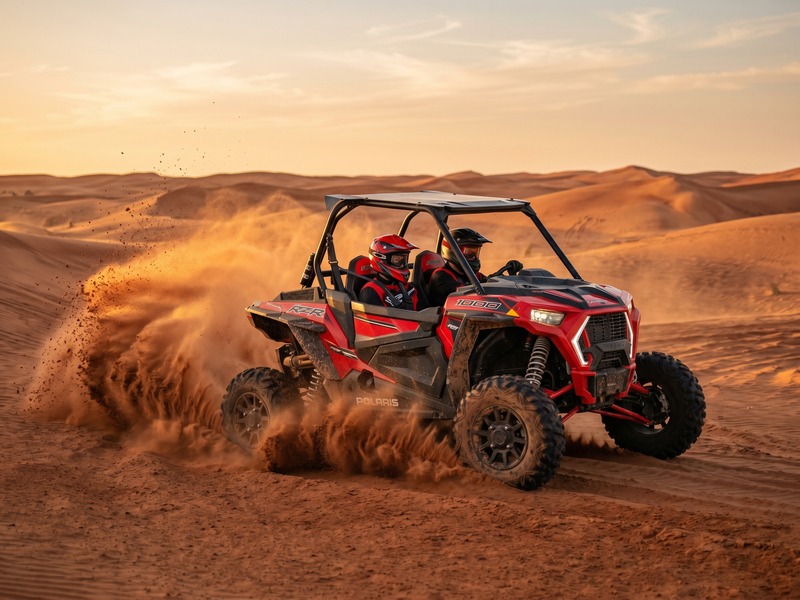
A good dune buggy comes with a helmet, goggles, and a dust mask or scarf. The helmet should fit snugly and have a visor that stays clear in direct sun. Goggles are essential because sand flies up from the wheels of the buggy ahead of you. Even on a calm day, a gust of wind can throw grit into your eyes. Dust masks are not always provided, but they make a big difference on dusty days. Check that the buggy has a working kill switch or emergency shut-off, usually a red button or a tether that stops the engine if you leave the seat.
First-aid kits and recovery equipment are usually carried by the guide, but it is worth asking what they have and where it is stored. A radio or satellite phone is useful if the group gets separated. Tour operators in Dubai are generally well equipped, but it never hurts to confirm before you set off.
Compare Hire Options
One local option is Buggy Adventure Dubai | ATV Quad Bike Tours & Desert Safari Dubai. When you compare buggy hire choices, look at what is included in the price: fuel, safety gear, guide, and any insurance or damage waiver. Some operators charge extra for insurance that covers damage to the buggy. Read the terms carefully. If you cause damage and you are not covered, the repair bill can be high.
Check the condition of the buggies before you ride. Look at the frame for cracks or bent sections. Check the tyres for cuts and proper inflation. Test the steering and brakes before you leave the starting area. A well-maintained buggy feels tight and responsive. A buggy that clunks or drifts to one side should be swapped for another. Do not assume that all buggies are the same quality. The best operator keeps its fleet in good shape and replaces worn parts regularly.
Book With Your Comfort in Mind
Once you have chosen a buggy and a tour, book in advance, especially during peak tourist months from November to March. Tours fill up quickly, and the best buggies often go first. Arrive early to do a thorough check and to ask any last questions. Dress in light, long clothing that covers your arms and legs. Sunscreen on exposed skin is essential, even in winter. Bring water and a small bag for your belongings, but keep it secure. Loose items can fly out of an open buggy on a fast run.
Choosing the right dune buggy in Dubai is about matching the machine to your skill, your comfort, and the kind of desert you want to explore. Take your time, ask questions, and inspect the buggy before you ride. The right choice makes the difference between a memorable trip and a frustrating one.
Buggy Adventure Dubai | ATV Quad Bike Tours & Desert Safari Dubai is located at Regalia Tower, Ground Floor Office No. 5 - Business Bay - Dubai - United Arab Emirates.
Ends · GETBUGGYDUBAIPLUS